Budget the phase, not the fantasy car
Fund the phase that is true right now. Fantasy-car budgets turn every vendor email into an emergency and every unfinished box into guilt.
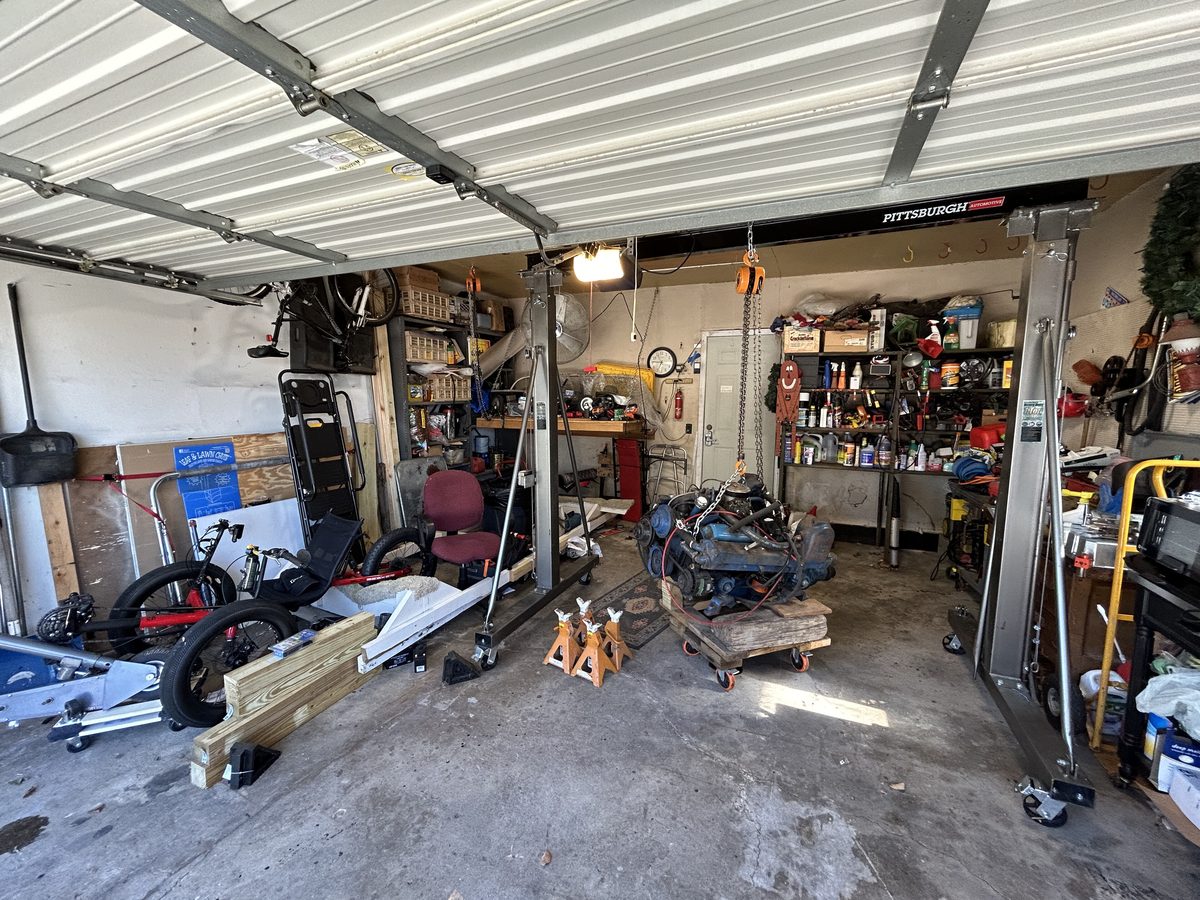
Fantasy-car budgets fail in the same way every time. You invent a total for “the finished vehicle,” then every sale email becomes urgent because it fits the dream, not the bay.
Budget the phase that is true right now. Not the car you wish you already owned.
The fantasy number problem
A lifetime build budget sounds responsible. It is usually a permission slip.
Once you write “$40k for the whole thing,” every emblem, weatherstrip kit, and “while I’m at it” set of wheels looks cheap against that number. None of those parts advance the phase you are actually in. They advance the fantasy.
I see the same pattern on cars and classic trucks. Metalwork still open. Soft trim already ordered. Bed wood kit in the closet while the bed frame is still in flux. The spreadsheet says you’re under budget. The shelves say you are collecting.
The fix is smaller and meaner: one phase, one funding line, one approval gate.
What a phase budget actually is
A phase budget is cash and attention reserved for parts that get installed or measured in this phase only.
Examples that work:
- Metal / structure: patch panels you’ve mocked, braces, consumables for welding and fitting. Not door panels. Not a NOS script set.
- Mechanical hard parts: measured rotating assembly or brake decisions that change brackets and lines. Not a complete weatherstrip kit “for later.”
- Paint / body: panels already fitted, paint process consumables. Not show-polish brightwork you’ll handle with dirty gloves.
- Reassembly / trim: now the visible jewelry earns a line. Emblems, seals, interior soft trim. This is where fitment literacy costs real money, so fund it on purpose.
If you can’t name the phase in one sentence, you don’t have a budget. You have a mood. The longer restoration phases guide walks the gates. This post is only about the money rule that makes those gates stick.
Three budget lines that keep people honest
Keep the sheet boring:
- Must-buy this phase. Parts that unblock install or measurement in the next 90 days.
- Scarce / long-lead quarantine. Items that are truly hard to find and required later. Tagged shelf. Photo of packaging. Written re-check date. Not a free pass into the cart because a forum said “buy now.”
- Trophy / ego. Allowed. Separate line. If you want the expensive emblem because it makes you feel like the owner, write that down. Lying about trophy buys is what wrecks the plan.
Everything else waits. Discount theater is not a fourth line.
Where fantasy budgets leak
Lead-time anxiety. “This might go NLA” is not a budget argument. Put scarce items on the quarantine list with storage rules. Do not fund them out of the current phase unless the phase needs them.
Package deals. Vendors love volume. Your bay does not. A kit that “saves” $80 while stranding $600 of soft trim for two years is not a savings.
Identity shopping. Buying the grille feels like restoring the vehicle. It isn’t. Completing the structure gate is.
Cross-project bleed. Classic truck money funding a car emblem buy (or the reverse) because both live under “the restoration account.” Split the phase budgets by vehicle if you run more than one bay. Shared fantasy pots are how both projects stall.
A simple gate before checkout
Before money leaves:
- Which phase is true right now?
- Does this part get installed or measured in that phase inside 90 days?
- If not, is it on the scarce quarantine list with storage and a re-check date?
- If the seller is wrong on fitment, can you return it without eating a spite restock fee?
- Which budget line pays: must-buy, quarantine, or trophy?
If you can’t answer cleanly, close the tab. Impulse is not a funding source.
Put the same answers on the one-page intake so future-you remembers why you bought it. A receipt without a phase tag is how boxes become archaeology.
What I refuse to fund early (usually)
Interior soft trim. Complete weatherstrip kits. Show-polish brightwork. Wheels and tires “for when it’s done.” Bed wood while the bed still moves. Anything whose fitment depends on openings that are still under the welder.
Exceptions exist: documented, scarce, measured, and parked on a tagged shelf. The default is no. Defaults save more money than clever discounts.
The operator view of “under budget”
Being under the fantasy-car number while the wrong shelves are full is not success. Being slightly over a tight phase budget because you bought the correct measured brackets is usually fine.
Track two numbers per phase:
- Cash out for that phase.
- Parts still sealed that never got installed before the phase closed.
The second number is the real report card. If sealed inventory keeps growing while the vehicle barely moves, your budget is lying to you.
Bottom line
Stop funding the finished fantasy. Fund the phase in front of you. Quarantine scarce temptation buys. Put ego purchases on their own line so they stop pretending to be “necessary.”
The car (or truck) does not care how noble your lifetime budget looked on a napkin. It cares whether the part in the next box belongs to the work you’re actually doing.
Next action: write this week’s phase in one sentence, set a dollar cap for must-buy only, and move everything else off the active shelf. Then open the cart.
Keep reading
- Phase a restoration so parts don’t sit
- Parts spreadsheet built on the phase plan
- Restocking fees on car parts: budget them
- Print the phase budget one-pager before the next order.