Classic truck cab swaps and bed strips
C10, F-100, squarebody restoration fitment traps. Cab and bed swaps, frame bracket amnesia, and bed strip kits sold as universal when they are not.
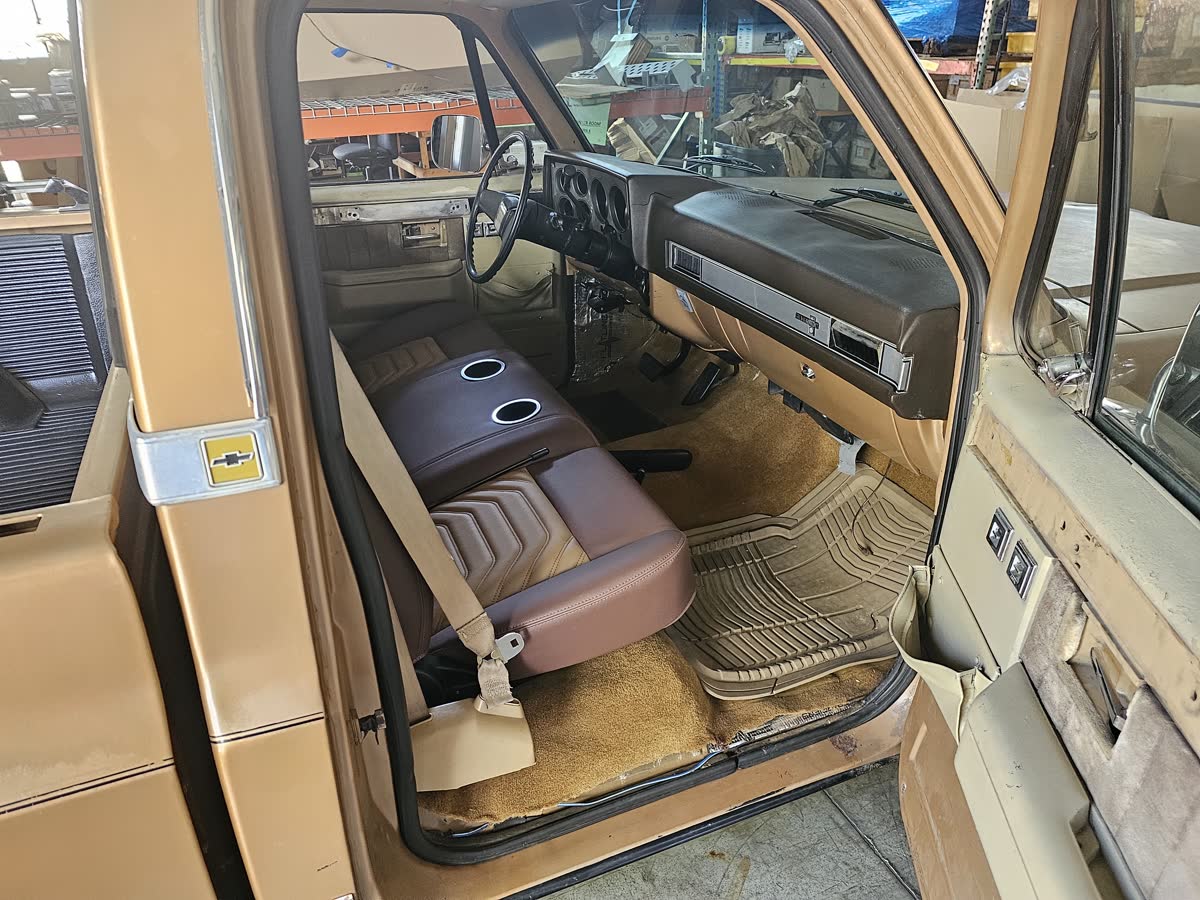
Classic truck fitment runs on the same rules as classic car fitment. Identity first. Measure before you spend. Phase the work so trim doesn’t show up before structure is done. The traps look familiar. A few hit harder on trucks.
The restoration phases guide covers the full gate system. The classic truck fitment guide walks the full checklist. This essay is the traps that earn their place in the Truck Bay series.
Cab and bed from different decades
Cabs and beds swap. That’s the whole point of body-on-frame. Trim does not swap with them. A 1970 cab on a 1965 bed turns door handles, emblems, tailgate trim, and bed strips into a research job, not a catalog click.
What operators miss: treating the VIN like the full story. The VIN tells you what left the plant. It does not tell you what somebody bolted on in 1987 because “it was basically the same truck.”
Before you order visible truck trim, photograph what’s on the truck now. Write the cab year and the bed year on the intake sheet. If they don’t match, you buy for measured reality, not for a production-year range.
Frame bracket and crossmember amnesia
Engine swaps, trans swaps, lift kits, and suspension updates all cascade into mounting hardware. A truck that left with a straight-six and now runs a small-block does not use the same motor mounts, trans crossmember, or exhaust brackets.
“Fits 1967-72 C10” means nothing if the frame got cut, drilled, or “updated.” Measure what’s on the frame now. Count bolt holes. Photograph the crossmember if one is still there.
Ordering motor mounts or exhaust brackets off the original drivetrain is how you fund returns and burn a weekend on spite.
Bed wood and strip kits sold as universal
Bed strip kits love to claim they fit “all stepside” or “all fleetside” trucks across a decade. That claim is wrong often enough to matter. Bolt-hole spacing, strip width, and whether the strips are stainless or chromed steel change by year, and sometimes mid-year.
Bed wood thickness changes too. A 1960s bed floor does not take the same wood as a 1970s bed floor. Ordering a full bed wood kit before you measure the bed frame is expensive optimism.
What good looks like: measure stake pocket spacing, photograph the old strips if any are left, check wood thickness with calipers or the FSM. Buy from a seller who lists exact fitment years and shows the backside hardware, not just a hero shot.
Weatherstrip and glass that almost fits
Back glass size, vent window frames, and door seal profiles changed a lot on classic trucks. “Universal C10 weatherstrip” should not be a category. It exists because it sells.
Vent window seals are a special pain. Early and late vent assemblies look close from across the shop. They do not seal with each other’s rubber.
Same rule as car glass work: don’t order weatherstrip or glass until the cab openings are final and measured. If somebody already patched, filled, or “fixed” a windshield frame, measure it. Don’t trust the year badge.
Interior and dash trim sold by decade, not by option
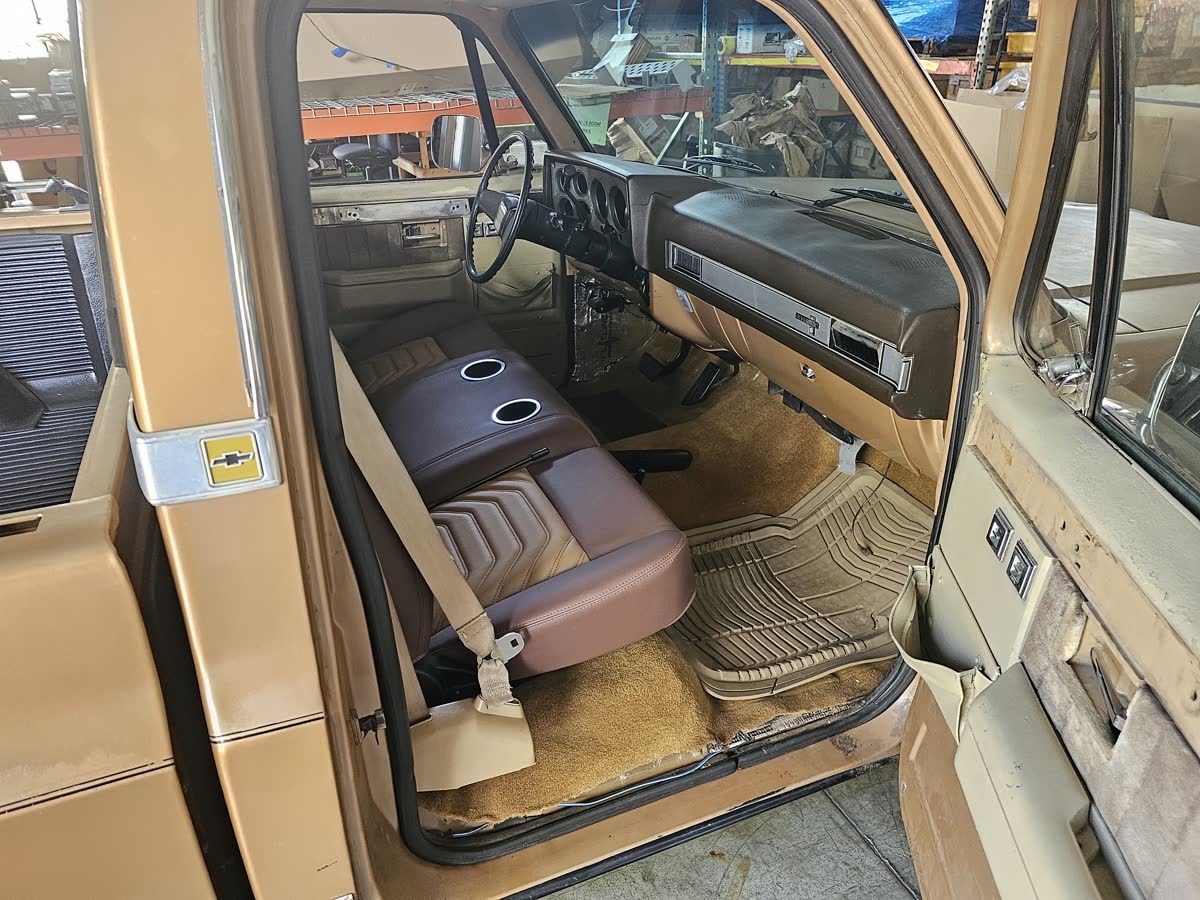
Gauge clusters, radio bezels, heater control dress-up, and column trim vary by trim level and option package. A truck with factory AC does not use the same heater bezel as a base truck. Tilt column vs fixed column changes the dress-up ring.
Fleet-spec trucks often skipped chrome and ran painted or bare hardware. Ordering the flashy set because it looks right online is a trap if your truck was a work truck, or if it’s been pieced together from multiple donors.
Check what’s in the dash now. If it’s a mix from multiple years, write that down before you order any “complete interior kit.”
Dual-source parts that look identical until install
GM and Ford both used more than one supplier for emblems, trim, and brackets in the same production year. Same part number on the paper. Not always the same mount on the truck. Stud spacing can be off by a few millimeters. Clips can be a hair different in length. Finish looks close until you set it next to the original piece.
That’s not a seller lie. That’s production reality. Fix is the same as on cars: save backside photos, buy from sellers who take returns after a test fit, verify stud spacing if you still have an original.
What stays the same
The phasing rules don’t change. Don’t buy bed wood during metalwork. Don’t buy cab trim before paint. Don’t order glass and weatherstrip until openings are measured and true.
The intake checklist still works. Identity gate. Phase gate. Fitment risks. Budget and approval per phase, not per mood.
The operator test is the same: does this part get installed in 90 days, and can I return it if the seller is wrong?
Why trucks feel worse right now
Classic trucks are getting the same money and care that used to go mostly to classic cars. The parts market caught up. The fitment problems did not leave. They just cost more, because bed wood kits and cab trim aren’t junkyard scraps anymore.
Treat classic truck fitment like classic car fitment. Measure. Phase. Document. Buy from sellers who photograph the part you will actually get, not a marketing render.
The truck does not care if you’re building a driver or a show piece. It cares whether the bed strip bolt holes line up. So should you.