How to read a parts listing before you buy
Photos of this unit, casting marks, year splits, and return physics that survive a bad fitment call. Read listings like a manufacturer before money moves.
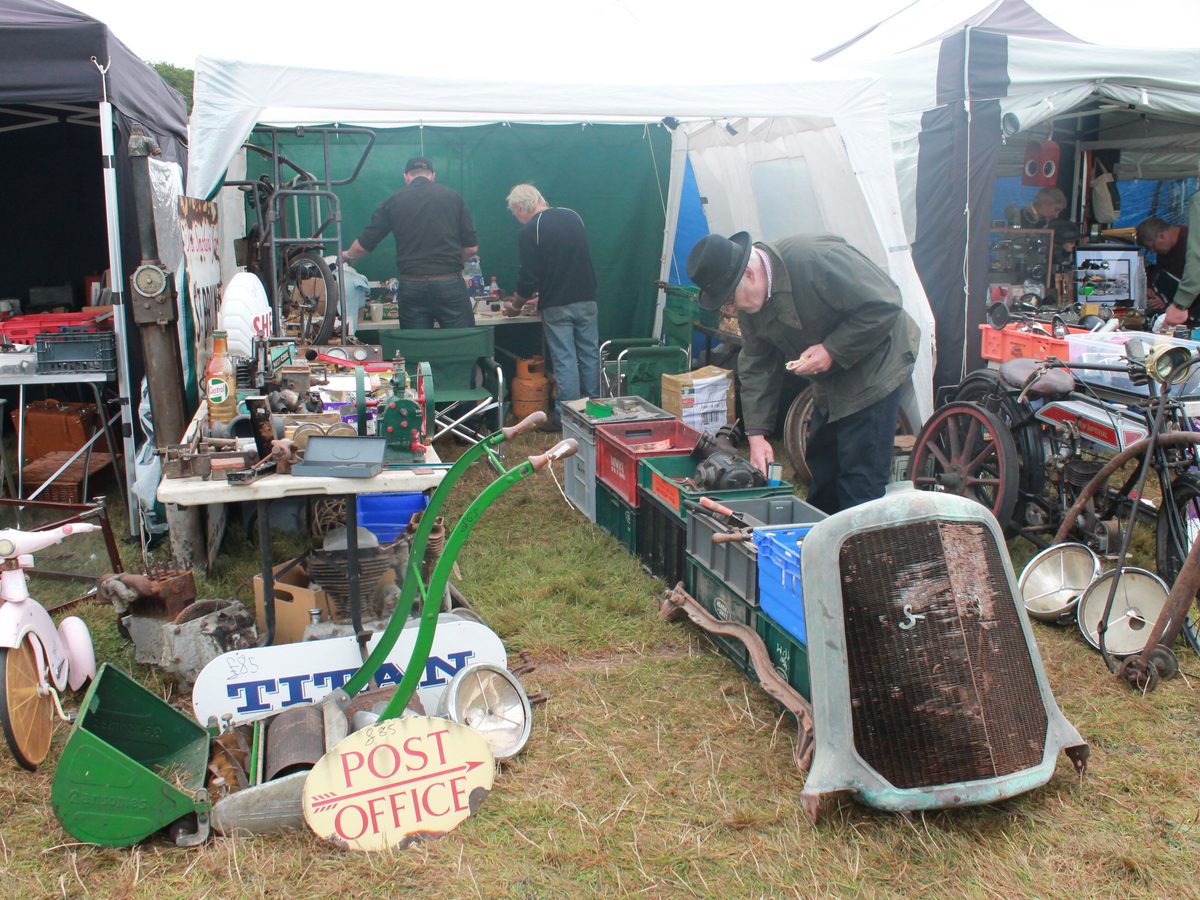
A parts listing is a sales document. Treat it like one. Your job is to extract fitment claims, evidence, and exit ramps before money moves.
Reading like a manufacturer does not mean dumping catalogs into a spreadsheet. It means asking the same questions you would ask a supplier who wants your purchase order.
What the title is allowed to lie about
Titles optimize for search, not truth. “Fits 1967-72” might fit some of those years badly and others not at all. “Universal C10 weatherstrip” is not a real category. It is keyword theater.
Title claims that need verification:
- Year ranges that span mid-year changes or body splits.
- “Universal” or “fits most” language that papers over measured differences.
- OEM, NOS, or reproduction labels without photos to back them up.
- “Direct fit” or “bolt-on” promises that skip option packages or early vs late splits.
Trust the title to get you to the listing. Do not trust it to tell you if the part fits. That is what photos, part numbers, and return policies are for.
Photos that matter (backside, casting marks, this unit)
I want photos of the actual piece for sale, not a catalog render and not a “similar item” stock shot.
Useful shots:
- Mounting face and backside (studs, clips, weld nuts, locating tabs).
- Casting marks, date codes, supplier marks if present.
- Edges and wear that tell you if it has been returned and “refreshed.”
- Packaging for NOS claims (labels, bags, factory grease that still looks factory).
- Scale: a ruler, a known fastener, or a hand. Mystery size is a red flag.
If the seller hides the mounting face, assume they know why. Vendor photos that only show the pretty side are not neutral. They are selective.
Ask for a backside photo before you pay. If they refuse and the part is fitment-critical, walk.
Fitment years vs interchange fantasy
“Fits 1967-72” is often a search keyword, not a measured statement.
Mid-year splits, early and late scripts, option packages, and cab-vs-bed reality on trucks all punch holes in wide ranges. If the listing never mentions a split you already know exists for your vehicle, treat the range as optimistic.
What good looks like:
- Exact years, or early and late called out.
- Option notes (AC vs non-AC bezels, tilt vs fixed column dress-up).
- A sentence that admits what it does not fit.
What bad looks like:
- One decade-wide range and a hero shot.
- “Universal” for anything that seals or mounts to a body opening.
- Part number alone with no photos of this unit.
The OEM vs NOS vs repro guide covers how I weigh those labels. This post is about reading the page before the labels matter.
Return and restock physics
A correct part with a spite return policy is still a bad buy when fitment is uncertain.
Read:
- Restock fee percentage and whether opened packaging voids the return.
- Who pays return shipping on a wrong-fit claim.
- Time window (seven days is not enough for a part that needs a dry fit after paint).
- Whether the seller requires the part unused and also refuses test-fit photos as evidence.
If you cannot return after a careful measurement, you are buying a souvenir until proven otherwise. Price that risk into the cart or skip it.
A vendor who charges a twenty-percent restock fee and refuses returns on opened packages is betting that you will eat the cost rather than fight. That vendor is not your friend. Order from someone else.
Bundle pricing that mixes correct and almost
Kits work when every piece shares your year and options. They get expensive when three are right and two are “close,” and the close ones are what you see from the driver’s door.
I split orders when the risk is uneven: hard-to-match piece from the careful seller, commodity clips elsewhere.
Package deals and vendor emails reward volume, not readiness. A complete weatherstrip kit looks like wisdom until you realize the doors do not hang square yet and you just prepaid to store rubber for eighteen months. Bulk buying is not the same as phasing discipline.
Red-flag phrases that mean “we are not sure”
Listings that say “fits most,” “universal,” “check fitment,” or “may require modification” are the vendor admitting they do not know if the part fits your car. If they do not know, you are betting money that it does. That bet loses more often than it wins.
Other red flags:
- “OEM-style” or “OEM quality” instead of actual OEM part numbers.
- “Similar to original” instead of photos of the original next to this part.
- “Professional installation recommended” when the part is a trim clip or emblem.
- “No returns on electrical parts” when the part is a mechanical bracket with no wiring.
Ask specific questions: does this fit my year, my body style, my cab configuration, my door style? If the vendor cannot answer or gives a vague answer, do not order.
Two-minute pre-buy checklist
Before checkout:
- What exact vehicle identity does this claim to fit (year, body, options)?
- Do the photos show this unit’s mounting face?
- Are casting marks or date codes visible enough to check against a reference?
- Does the year range admit known splits, or does it paper over them?
- OEM, NOS, or repro: is the label backed by packaging or tooling evidence, or just typed?
- Can I return this after a dry fit without eating a spite fee?
- Does this part belong to the phase that is true right now?
If three or more answers are mush, close the tab. Curiosity is not a purchase order.
Use the printable intake to write down identity, measurements, and fitment risk notes before the cart opens. One page before money moves.
Casting marks and date codes (literacy, not theater)
Marks do not make a part holy. They make a part checkable.
What I look for:
- Are the marks consistent with the claimed production window?
- Do they match an original you still have, or a known-good reference photo?
- Is the finish and flash pattern closer to period tooling or to a soft modern die?
I do not pretend every mark is a courtroom exhibit. I use marks to catch obvious mismatches: wrong era script, wrong supplier pattern for a claimed year, “NOS” that looks freshly cast yesterday. When marks and the year claim disagree, believe the metal until the seller explains it with better photos.
If you do not have a reference, park the buy. Uncertainty is cheaper than a restock fee.
What I do when the listing is almost good
Almost-good listings are where money dies. The year is close. The photo is pretty. The price is “too good.”
My default: message the seller with two specific asks (backside photo plus confirmation of early vs late if relevant). If they answer with evidence, proceed. If they answer with vibes (“it’ll fit, trust me”), I am done.
I also write the listing URL, seller name, and claimed part number onto the intake before I pay. Future-you will not remember which “almost” you almost bought.
FAQ
How do I know if a listing photo shows the actual part or a stock image?
Stock images are usually catalog renders, white-background professional shots, or glamour angles that hide the mounting face. Actual-part photos show workshop lighting, bench surfaces, and the backside hardware. If every photo is perfect and pretty, ask the seller for a photo of this unit on their bench. If they refuse, assume stock images.
What if the seller says "all sales final" but the listing looks correct?
Do not order fitment-critical parts from a seller who refuses returns. “All sales final” is the seller betting you will eat the cost of a wrong part rather than fight. Price that risk into the cart or skip it. A correct listing does not guarantee a correct part. You need a return path for measured reality.
Can I trust part numbers alone without photos?
No. Part numbers get superseded, reused, and misapplied by sellers who do not know the difference. A part number is a starting point for research, not proof that the part fits. Verify the part number against the factory service manual and ask for photos of this unit before ordering.
What does "fits 1968-72" usually mean on truck or car listings?
It usually means “fits some 1968-72 configs, maybe all, we are not sure.” Mid-year splits, dual suppliers, and option packages shred those ranges. Before you trust a year range, confirm your vehicle’s documented trim and market, find two independent photos of installed pieces on matching vehicles, and measure stud count and spacing on your vehicle or the old piece if it still exists.
Should I order from a seller who will not answer fitment questions?
No. If the seller will not answer or gives a vague answer like “should fit,” do not order. That seller does not know if the part fits and is betting you will pay before you figure it out. Order from someone who answers with photos, part numbers, and year-specific details.
Bottom line
Read listings like you are approving a supplier, not like you are hunting a bargain. Demand photos of the unit, check marks when they matter, distrust wide year ranges, and price the return path before the part number romance kicks in.
Next action: open one listing you are tempted by and mark each claim as proved by photo, seller text only, or unknown. Buy only if the proved column covers fitment and returns.
Links: use the printable intake before every order. See the OEM vs NOS vs Repro guide for how to weigh part quality. Read the restoration phases guide for when to order by phase. Read the wrong emblem essay for how emblem orders fail.