Wrong emblem trim: how fitment fails
How emblem and trim orders go wrong: year splits, script variants, mounting reality, and seller language that sounds precise until the package opens.
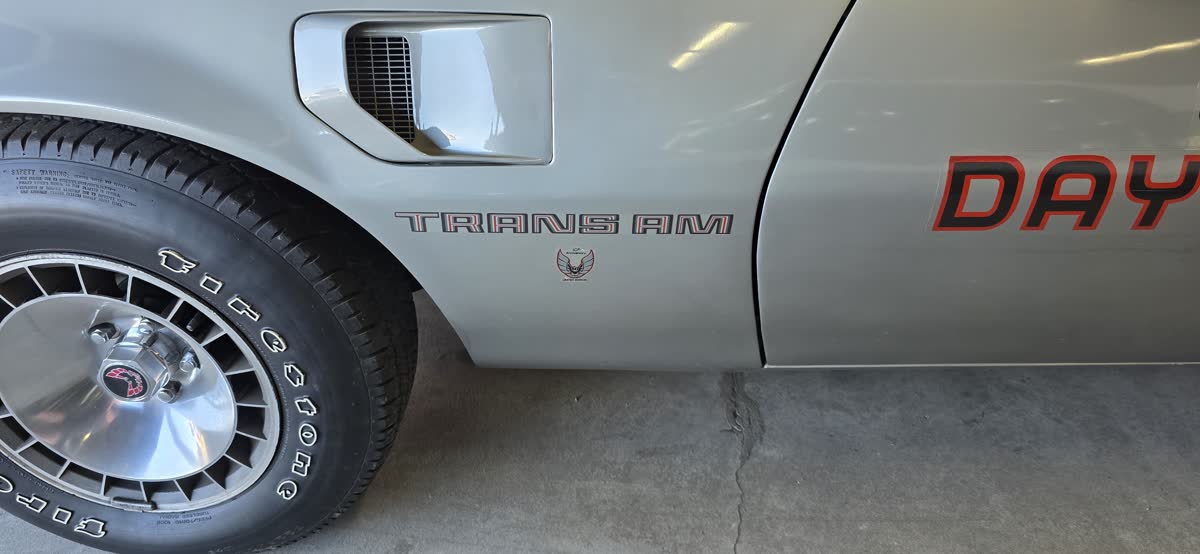
Wrong emblems are cheap on the invoice and expensive on pride. You waited for the package. Cleared space on the bench. Opened it careful, like evidence. Then the studs are wrong, the script is the other year, or the “correct” bezel hits a molding your car actually has.
Same mess shows up on truck cabs and tailgates. Different jewelry. Same order mechanics. The OEM vs NOS vs Repro guide covers the decision framework. This essay covers where the order fails.
Fitment doesn’t fail in the abstract. It fails in orders.
This is part of the Wrong Buy series: parts orders that looked smart but failed, without the vendor spin.
Catalog years that lie politely
“Fits 1968-1970” often means “fits some 1968-1970 configs in someone’s interchange fantasy.” Mid-year changes, dual suppliers, and option packages shred those ranges.
Before I spend emblem money:
- Confirm the vehicle’s documented trim and market. Not the forum’s favorite example.
- Find two independent photos of installed pieces on matching vehicles, not vendor white-background hero shots.
- Measure stud count, spacing, and backing shape on the vehicle (or on the old piece if it still exists).
If the old piece is gone, I don’t pretend the hole pattern in my memory is data.
Script and finish variants
Same name, different jewelry. Narrow vs wide script. Painted vs bright. Plastic vs die-cast. Flat vs contoured backs. Sellers reuse titles because titles sell.
Habit that saves returns: save the listing title and a zoomed photo of the attachment side. No backside photo? I treat it like a coin flip. Fine for cheap hardware. Never for the piece that lands in every photo of the build.
Mounting reality vs bench fantasy
The emblem fits the listing. It doesn’t fit the hole repair someone did in 1994. Or the filler sits proud. Or the molding got swapped for a repro that shifted the sight line.
Trim is a system: emblem, molding, panel repair, paint thickness. Order the emblem alone and you meet the system at the worst moment.
Before I order visible trim for a refinished panel, I want:
- Panel in its near-final shape
- Old fastener holes mapped (filled, drifted, or original)
- A cardboard template if the piece is expensive or final-sale
“NOS” that already lived a life
Returned NOS. Shop-worn NOS. NOS with broken clips in the bag. NOS polished by someone who hated plating. The word NOS lowers skepticism. That’s the trick.
I check packaging language, clip condition, and whether the seller’s return window survives a test fit. Test fit with tape and soft tools. Not with “it’ll seat when I hit it.”
Bundle pricing that mixes correct and almost
Kits work when every piece shares your year and options. They get expensive when three are right and two are “close,” and the close ones are what you see from the driver’s door.
I split orders when the risk is uneven: hard-to-match piece from the careful seller, commodity clips elsewhere.
Short postmortem before the rage-buy
When a trim buy fails, write four lines on the printable intake before you order the replacement:
- What the listing claimed (years, photos, part number if any)
- What the vehicle needed (measurements, photos)
- Where they diverged
- What rule changes for the next order
Skip that and you’ll recreate the same order with a different vendor logo. The OEM vs NOS vs Repro essay covers how to read listings and weigh part quality.
Log the next order on the printable intake. Identity, measurements, fitment risk notes. One page before the cart opens.
FAQ
What does "fits 1968-70" usually mean on emblem listings?
It usually means “fits some 1968-70 configs, maybe all, we’re not sure.” Mid-year splits, dual suppliers, and option packages shred those ranges. Before you trust a year range, confirm your vehicle’s documented trim and market, find two independent photos of installed pieces on matching vehicles, and measure stud count and spacing on your vehicle or the old piece if it still exists.
Why do I need backside photos of emblems and trim?
Because the mounting face tells you if the part fits. Stud count, spacing, backing shape, and clip patterns all vary by year, supplier, and option package. A vendor who only shows you the pretty side is hiding the part that matters for fitment. Ask for backside photos before you pay. If they refuse and the part is fitment-critical, walk.
Should I force-fit an emblem or return it?
Return it. Force-fitting cracks trim, strips studs, and damages the body. If the emblem does not fit without force, the vendor sold you the wrong part or your vehicle’s holes do not match the claimed year. Photograph the fitment issue and return the part. Do not fix the vendor’s mistake by drilling new holes or bending studs. That is how you own a part you cannot use and a body with extra holes.
Bottom line
A good emblem order is boring. Verified identity. Backside photos. A return path. Install timed to the trim phase. Storage that doesn’t grind the face against a transmission jack.
Boring is the point. Emblems shouldn’t be plot twists.