Restoration cost: why the online number fails you
Classic car restoration cost estimates online are wide for a reason. Labor hours drive the bill. Price the phase in front of you instead of chasing one big number.
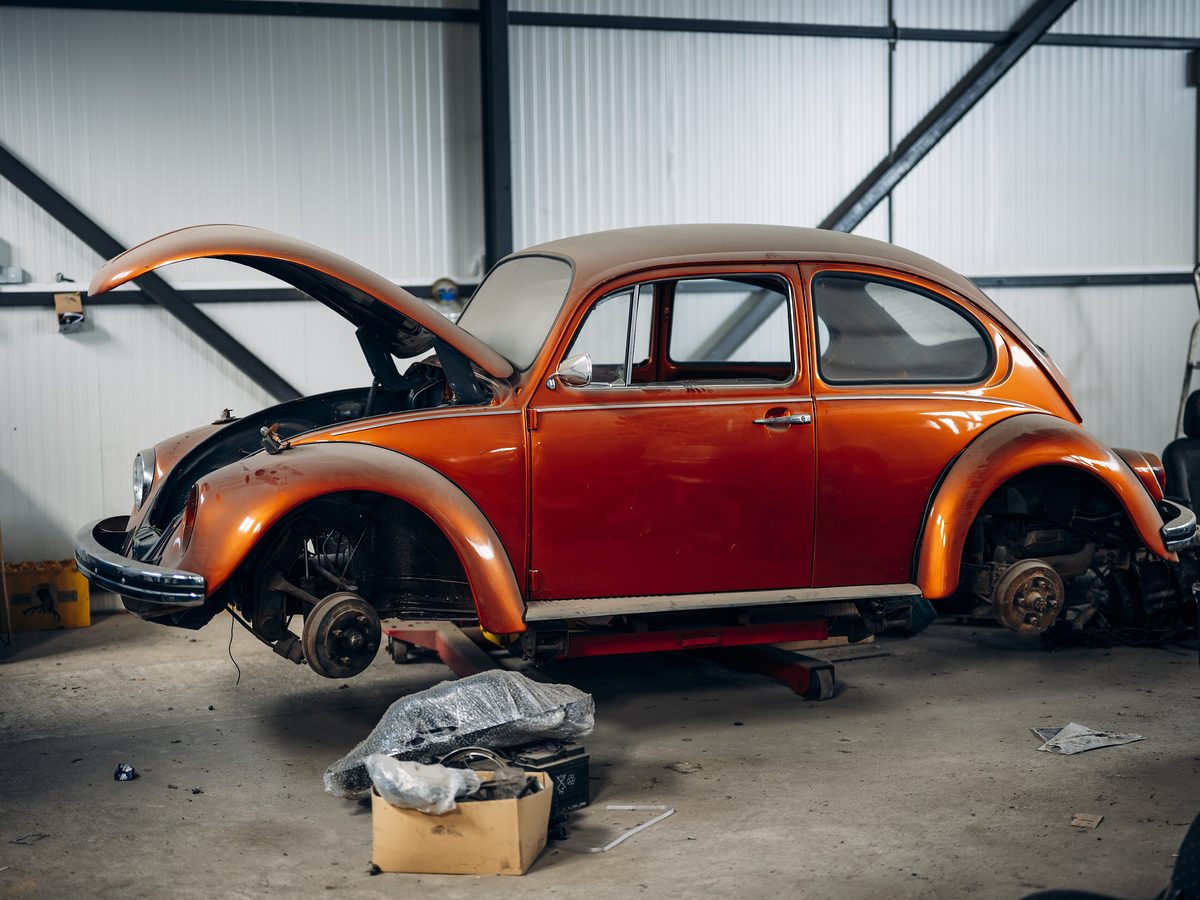
Search “classic car restoration cost” and you get a range so wide it’s useless for your car. That’s not because the writers are lazy. It’s because nobody can price a car they haven’t torn down.
So stop looking for the one number. Price the phase you’re in.
Why the ranges are so wide
Labor drives the bill. Parts matter, but hours are what stack up.
Eastwood’s Garage ran the math from the shop side. The writer ran a restoration shop and puts typical established-shop rates around $125 an hour, with some as low as $85 and at least one above $225 (Eastwood). Same piece: a mild cosmetic refresh on a solid, running car can still take 800 to 1,000 labor hours. A frame-off, factory-correct job can double that.
Hagerty’s own guide won’t promise a total either. It says even well-planned projects run into unexpected costs, and that hidden problems show up once the body comes off or the engine comes out (Hagerty).
Read those together and the lesson is plain. The total depends on what you find. You haven’t found it yet.
Shops don’t quote a fixed total either
The Eastwood piece says experienced shops won’t write a binding labor estimate for a full restoration. Old cars are too unpredictable, so the work runs time and materials (Eastwood).
If the people doing it every day won’t commit to one number, a calculator on a blog can’t either.
Don’t count on getting it back
Hagerty is blunt here too. A restored car can gain value, but it probably won’t cover what you spent unless it’s very rare or high-value (Hagerty).
That changes the budget question. It’s not “what will this car be worth.” It’s “what am I willing to spend on this stage, knowing I may not see it again.”
Price the phase, not the car
This is the habit I’d push hardest. One phase at a time, priced from what’s actually in front of you.
- Name the phase. Teardown, metal, paint prep, mechanical, wiring, trim. Pick one.
- List what it needs. Parts, outside labor, consumables. Only for this phase.
- Add a hole for surprises. Hagerty’s own advice is to expect the frame or block to show you something new. Leave room in the number. How much room depends on the car and how much you’ve already seen.
- Hold off on parts for later phases. Hagerty says the same thing: buy for the part you’re working on now, so you don’t forget a big purchase on a shelf or buy it twice.
- Re-price when the phase ends. What you learned in teardown is better data than any range online.
None of that gives you a total on day one. It gives you a number you can actually defend for this month.
Where DIY really saves
Hagerty points out it’s easier to take a car apart than to put it back together. Disassembly and grunt work like stripping paint is where an owner can cut billed hours (Hagerty).
That fits a phase plan. Do the teardown yourself, bag and label everything, then price the skilled work with the car already apart. A shop can see more on a bare shell than on a closed car.
Bottom line
The online restoration cost range isn’t wrong. It’s just answering a different question. Your number comes from your car, one phase at a time.
Start with the one-page restoration intake. Write the phase, the parts list for that phase only, and the room you’re leaving for surprises. Then price that.